
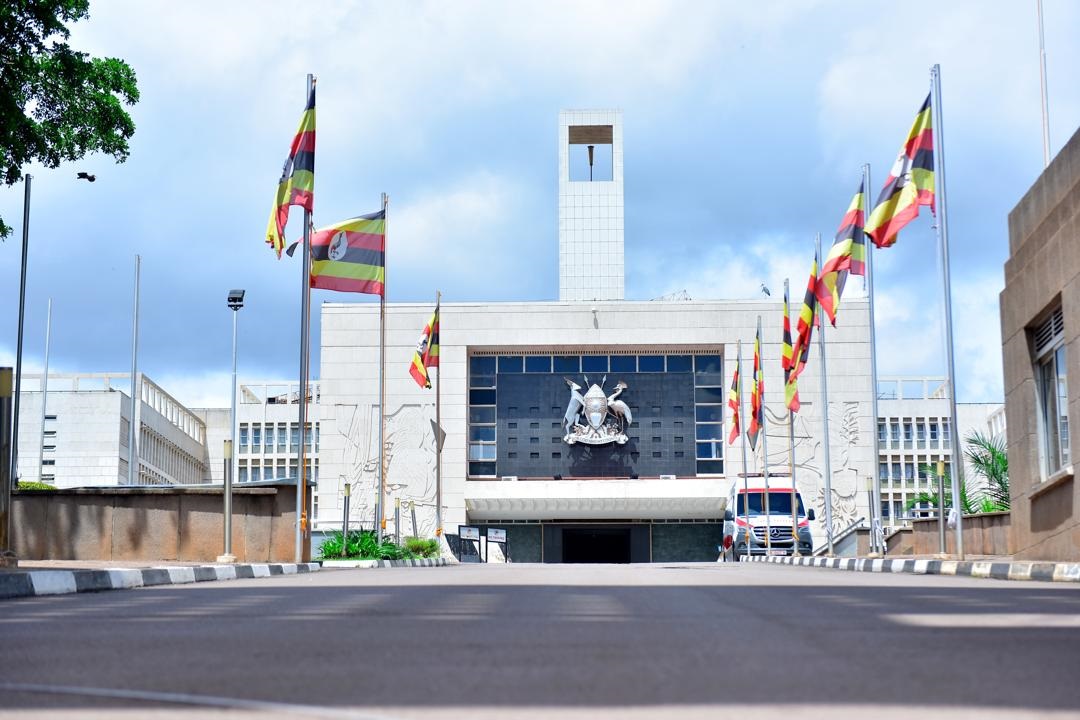
Uganda’s 11th Parliament will formally dissolve on May 24, marking the constitutional end of the current legislative term and paving the way for the formation of the 12th Parliament after the 2026 General Elections.
Parliament officials say the transition process is proceeding normally despite questions about why the House has not officially concluded its business.
According to Parliament’s Director of Communications, Chris Obore, the current phase is officially regarded as a “transition period” managed by the Clerk to Parliament as administrative preparations continue for the incoming House.
“The 11th Parliament ends a day before the sitting of the next Parliament,” the official explained. “The Speaker will issue the instrument dissolving the 11th Parliament on May 24.”
Under Article 77(3) of Uganda’s Constitution, Parliament’s term runs for five years from the date of its first sitting after a general election, while Article 96 provides that Parliament stands dissolved upon expiry of that term.
Obore noted that this legal framework means the current Parliament remains fully constituted until the final day of its mandate, allowing lawmakers to conclude urgent business where necessary.
“If there is any urgent business, Parliament can still sit and finish it,” he said.
Officials emphasized that the arrangement is standard practice during parliamentary transitions, with previous Houses often concluding major business early to allow members to focus on elections and handover preparations.
The Constitution further sets out the process for establishing the next Parliament. Under Article 95(1), the President must summon the first sitting of the new Parliament within seven days after the expiry of the previous term.
That first sitting will focus on electing the Speaker and Deputy Speaker under Article 82 of the Constitution, an exercise presided over by the Chief Justice or a judge designated by the Chief Justice before any other legislative business is undertaken.
Parliament also outlined transitional financial arrangements, noting that outgoing MPs of the 11th Parliament will receive two-thirds of their salaries and allowances during the transition period. Incoming legislators of the 12th Parliament will receive facilitation covering the first seven days after being sworn in.
The dissolution will formally close one legislative cycle and usher in another as Uganda prepares for a new Parliament expected to shape the country’s legislative agenda over the next five years.
